MonFuturPro — AI-Powered Career Guidance Platform
An AI-powered career guidance platform built with Next.js, Django, and PostgreSQL featuring personalized quizzes, Gemini AI integration for hyper-personalized career recommendations, multilingual support, and constructive feedback for users. Solo project developed for a client.
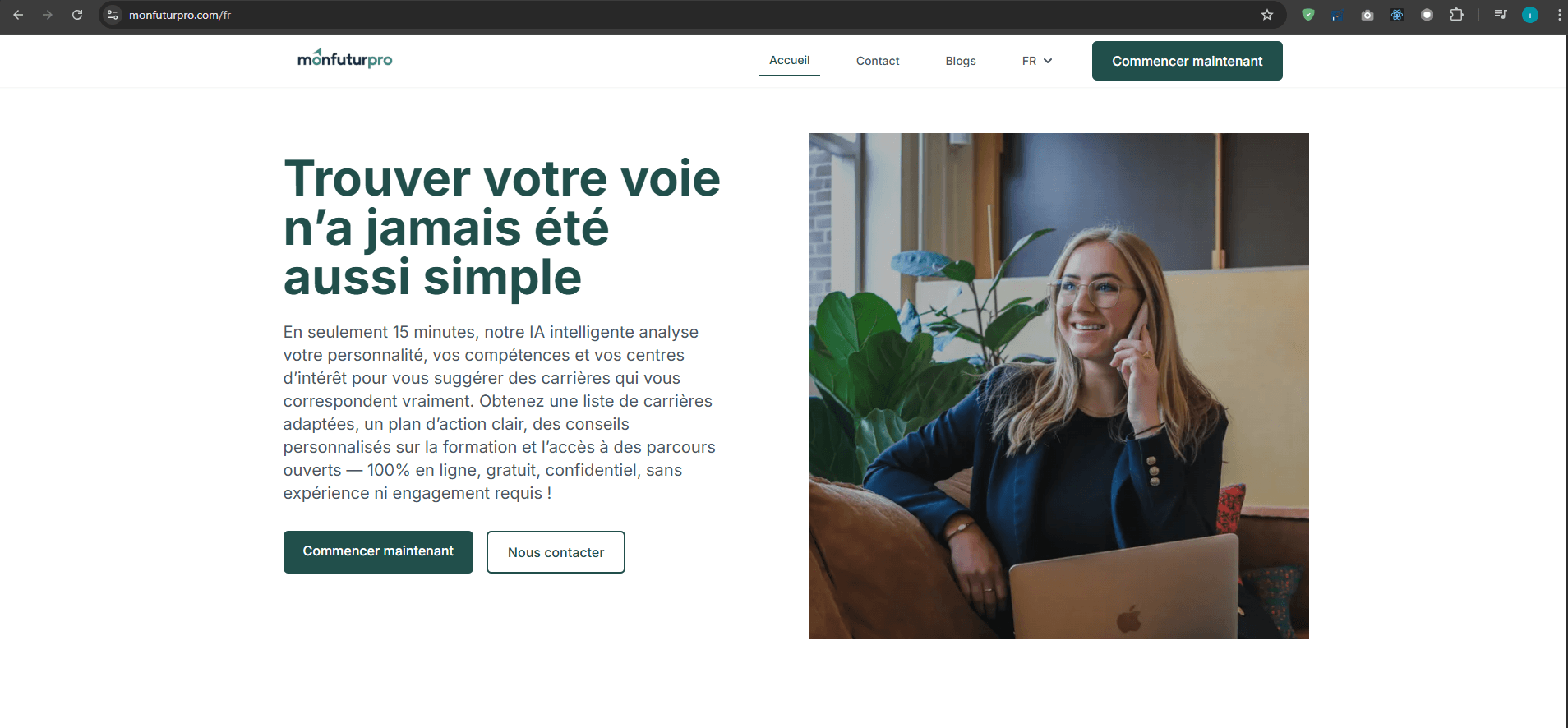
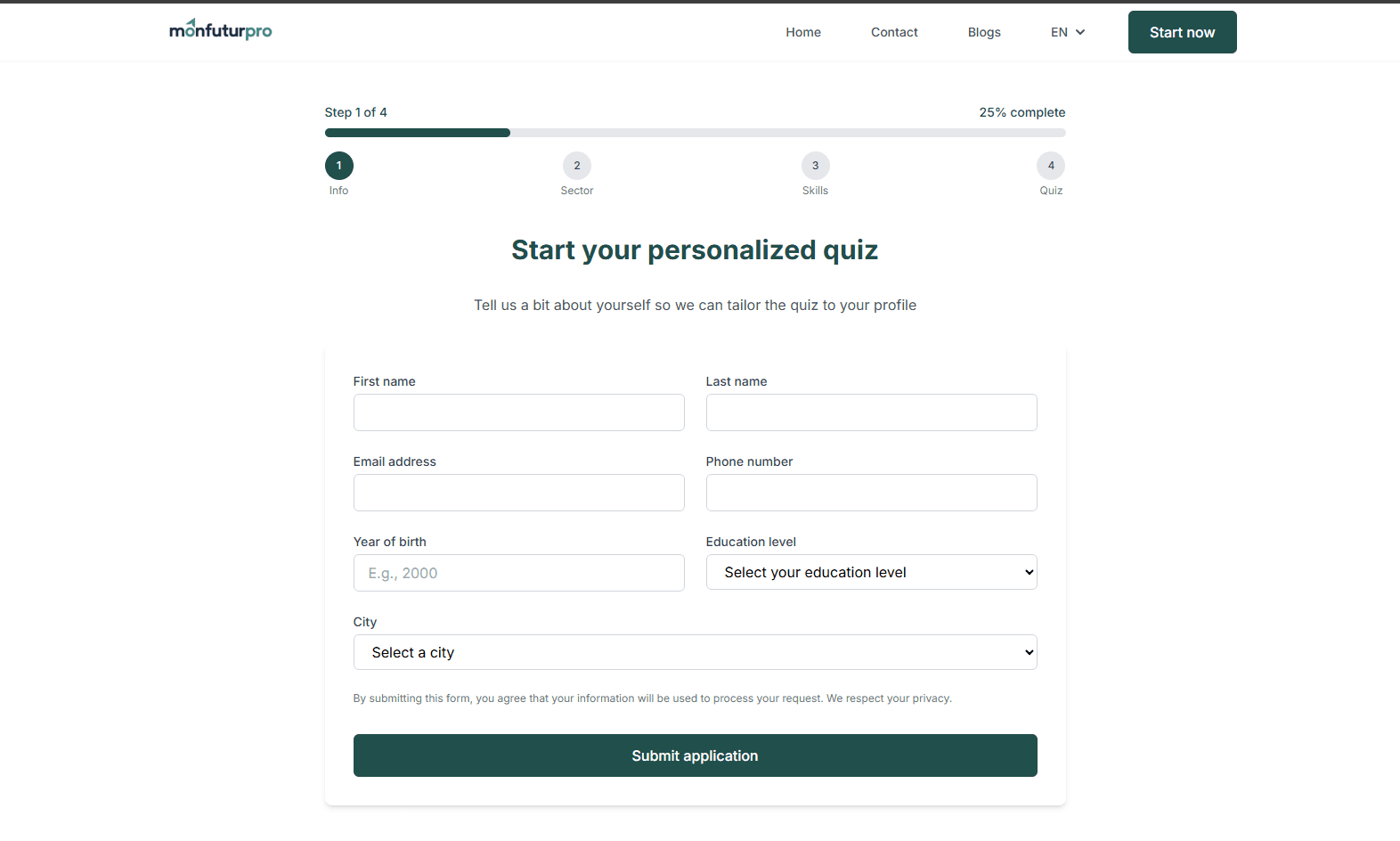
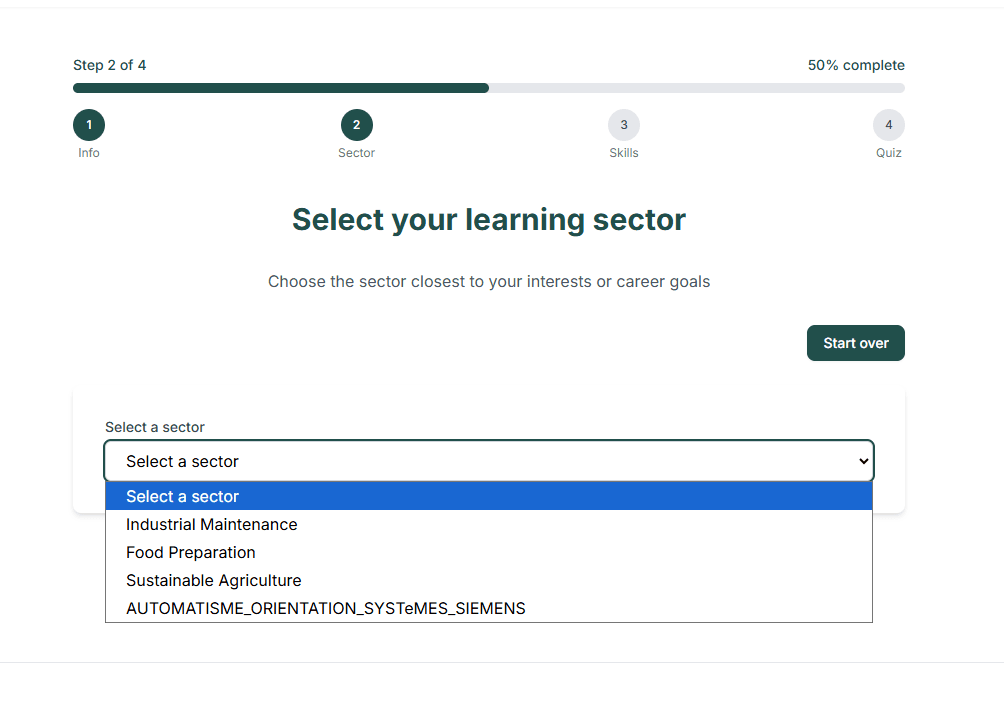
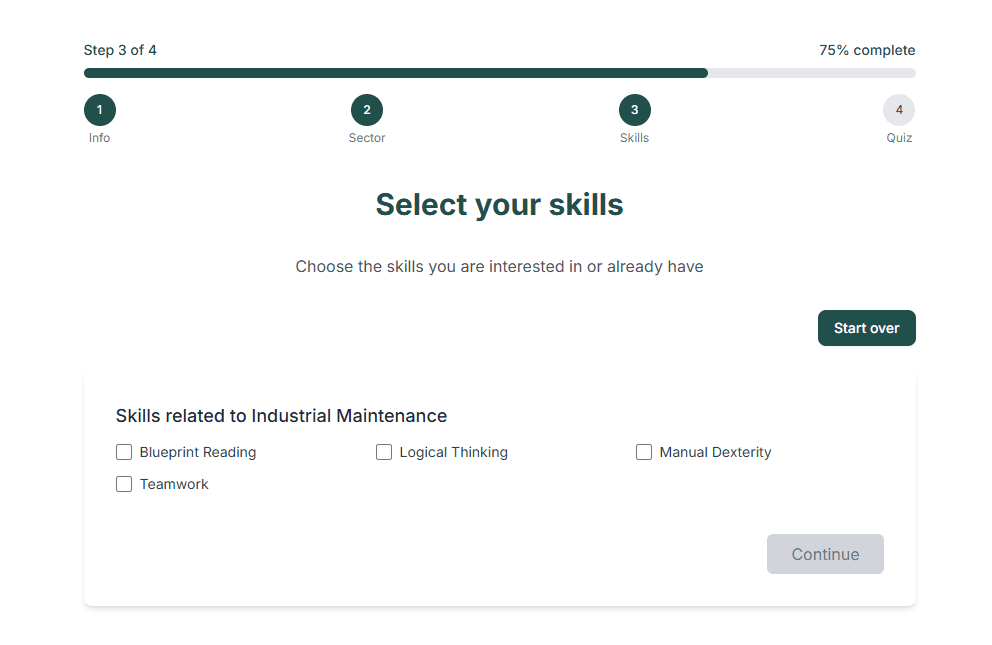
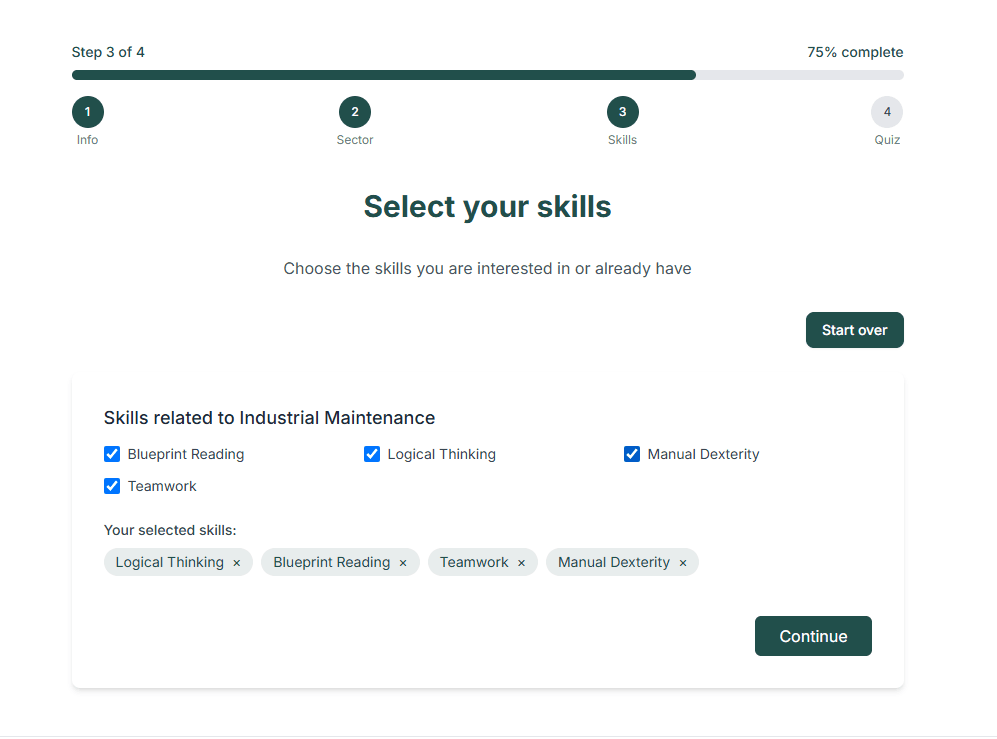
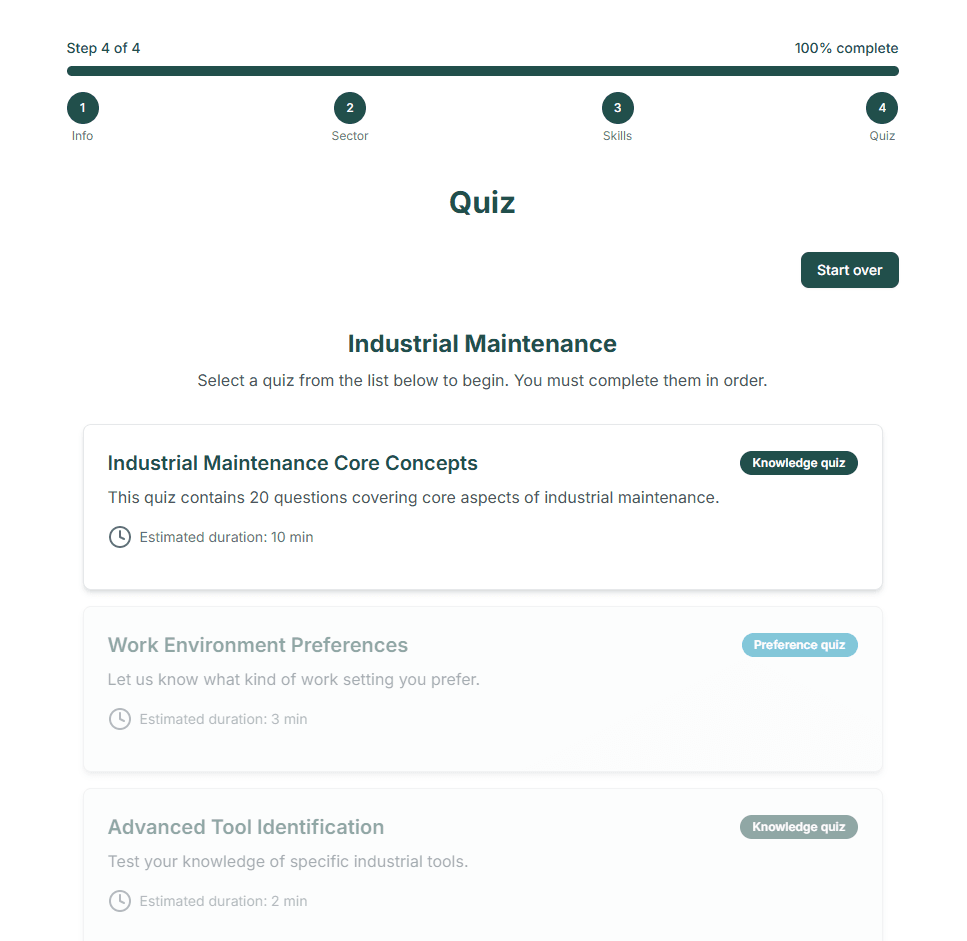
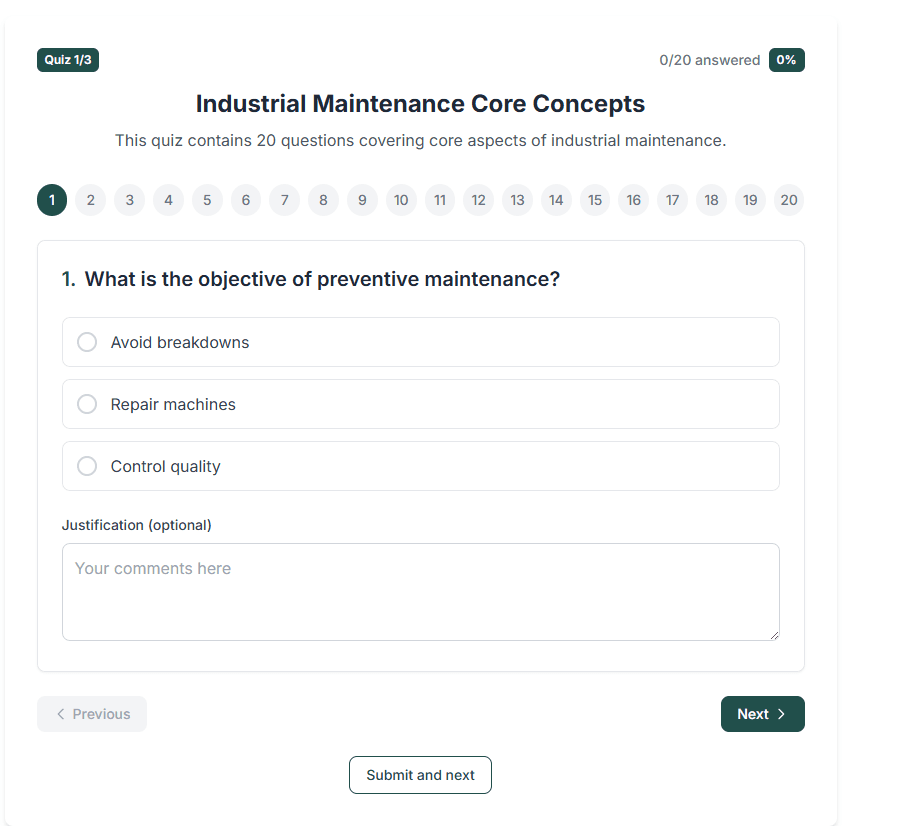
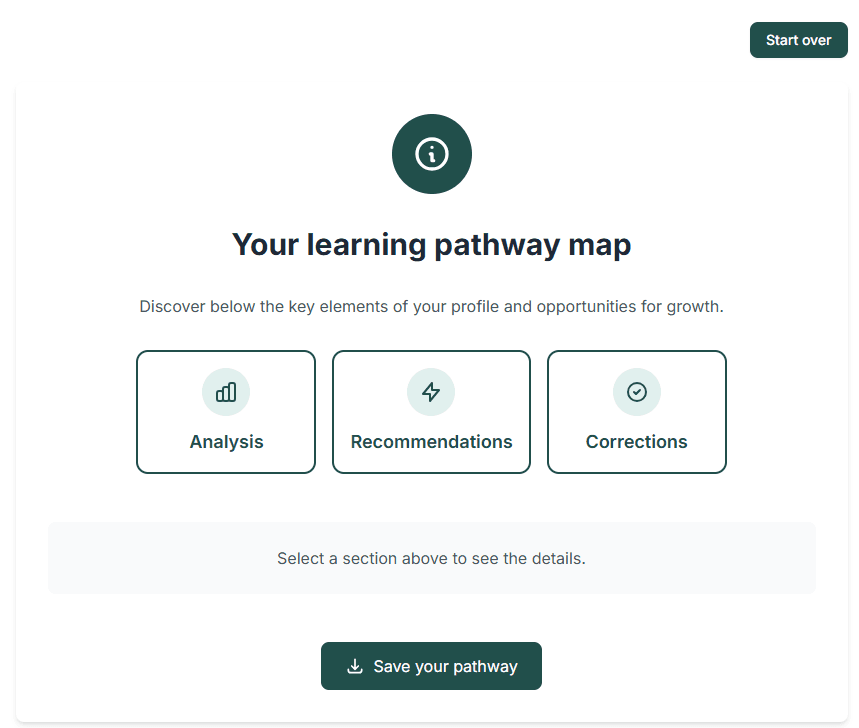
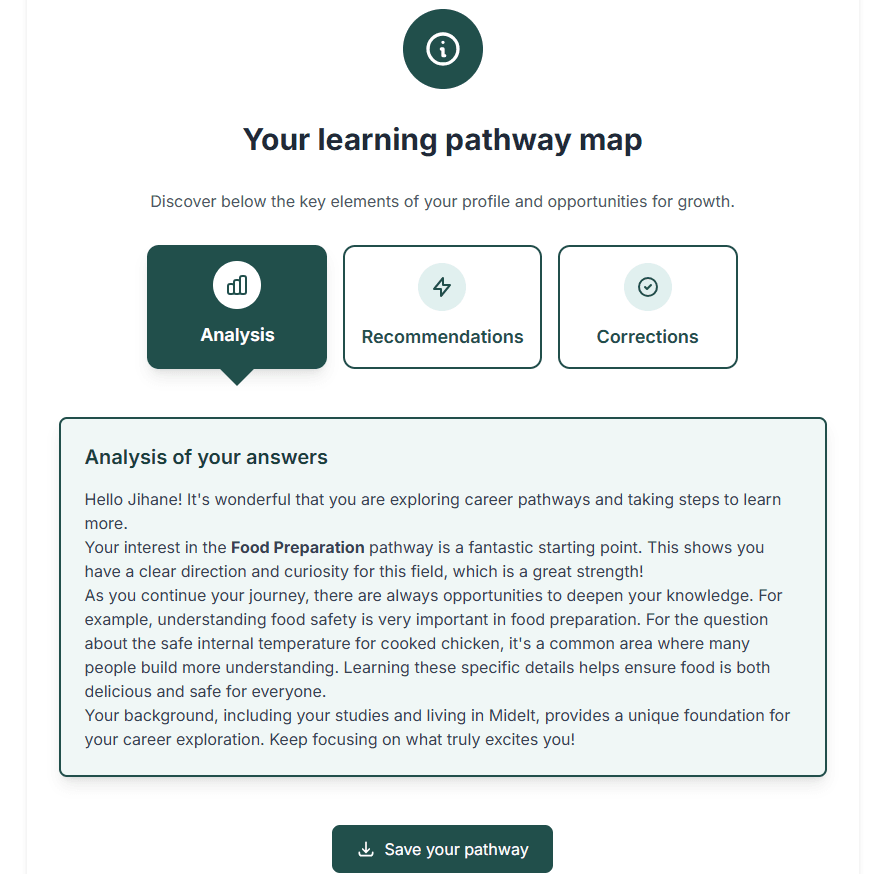
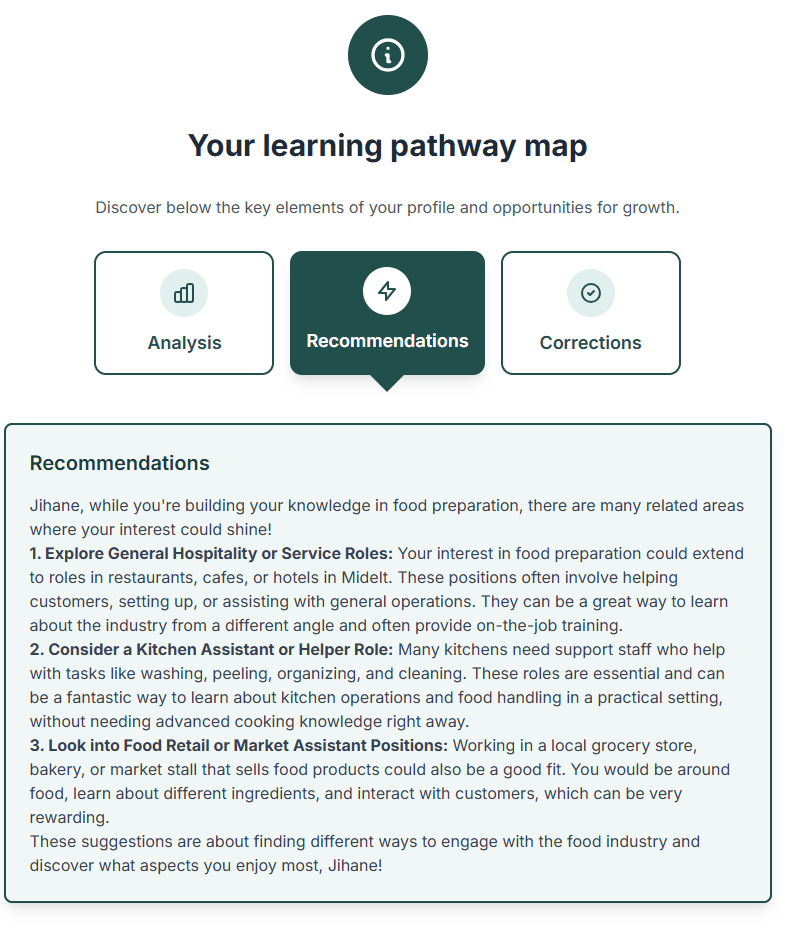
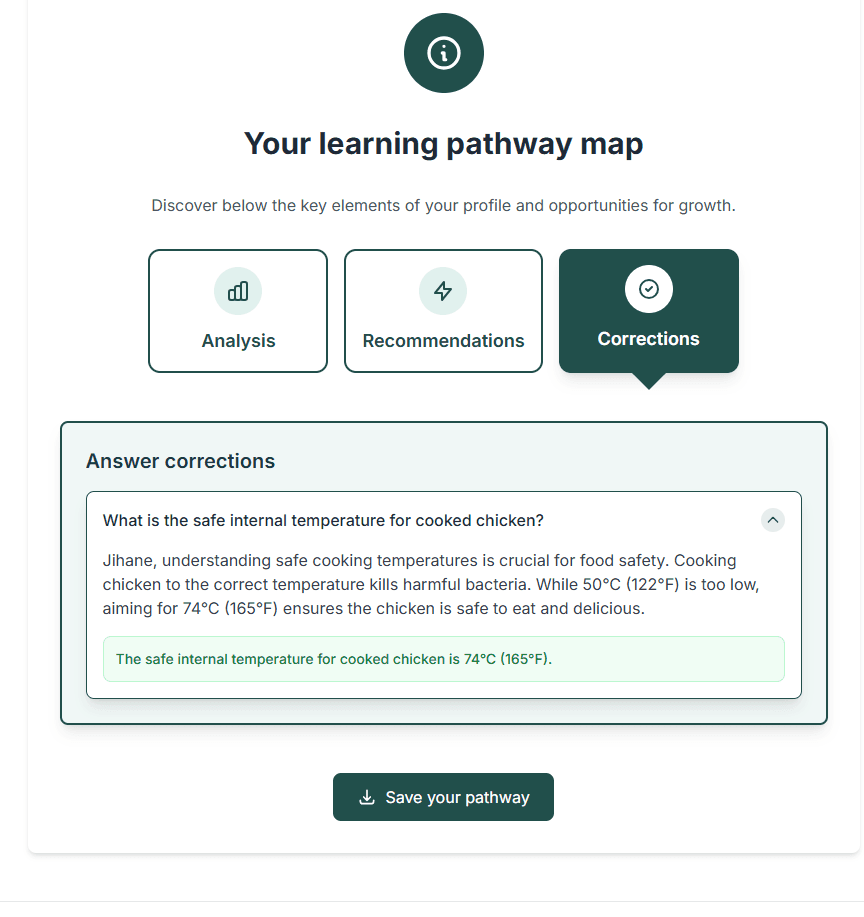
I designed and developed MonFuturPro, an innovative web platform that transforms career guidance through artificial intelligence. Built for a client, this solo project addresses a real problem: traditional orientation tools provide generic advice that fails to account for individual skills, preferences, and market realities. The platform guides users through a structured 4-step evaluation: personal information, sector selection, skills assessment, and knowledge/preference quizzes. Based on their responses, Gemini AI generates hyper-personalized career recommendations with compatibility scores and detailed action plans. What sets this platform apart is how it handles failure constructively. Instead of discouraging users who don't pass knowledge quizzes, the AI generates alternative guidance that highlights their strengths and suggests improvement paths — transforming setbacks into opportunities. The architecture follows a decoupled approach: a Django REST backend handling business logic and AI orchestration, a Next.js frontend delivering a fluid user experience, and PostgreSQL for robust data storage. The system supports multilingual content through a translation-ready database design. I also built a comprehensive Django admin interface allowing content managers to create quizzes, manage careers, and trigger AI-generated content with a single click. Docker containerization ensures consistent deployment across environments.
My Tasks
- Designed and developed the entire platform solo for a client
- Architected a decoupled system with Django REST API backend and Next.js frontend
- Integrated Google Gemini AI for generating personalized career recommendations and alternative guidance
- Designed and implemented PostgreSQL database with multilingual support (content/translation separation pattern)
- Built a 4-step evaluation system: personal info, sector selection, skills, and quizzes
- Developed scoring logic and quiz submission flow with atomic database operations
- Created detailed AI prompts for career roadmaps and constructive failure feedback
- Implemented session management using UUIDs for secure, non-sequential user tracking
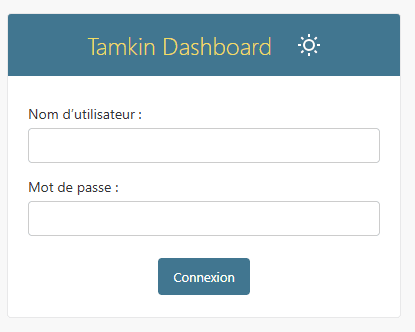
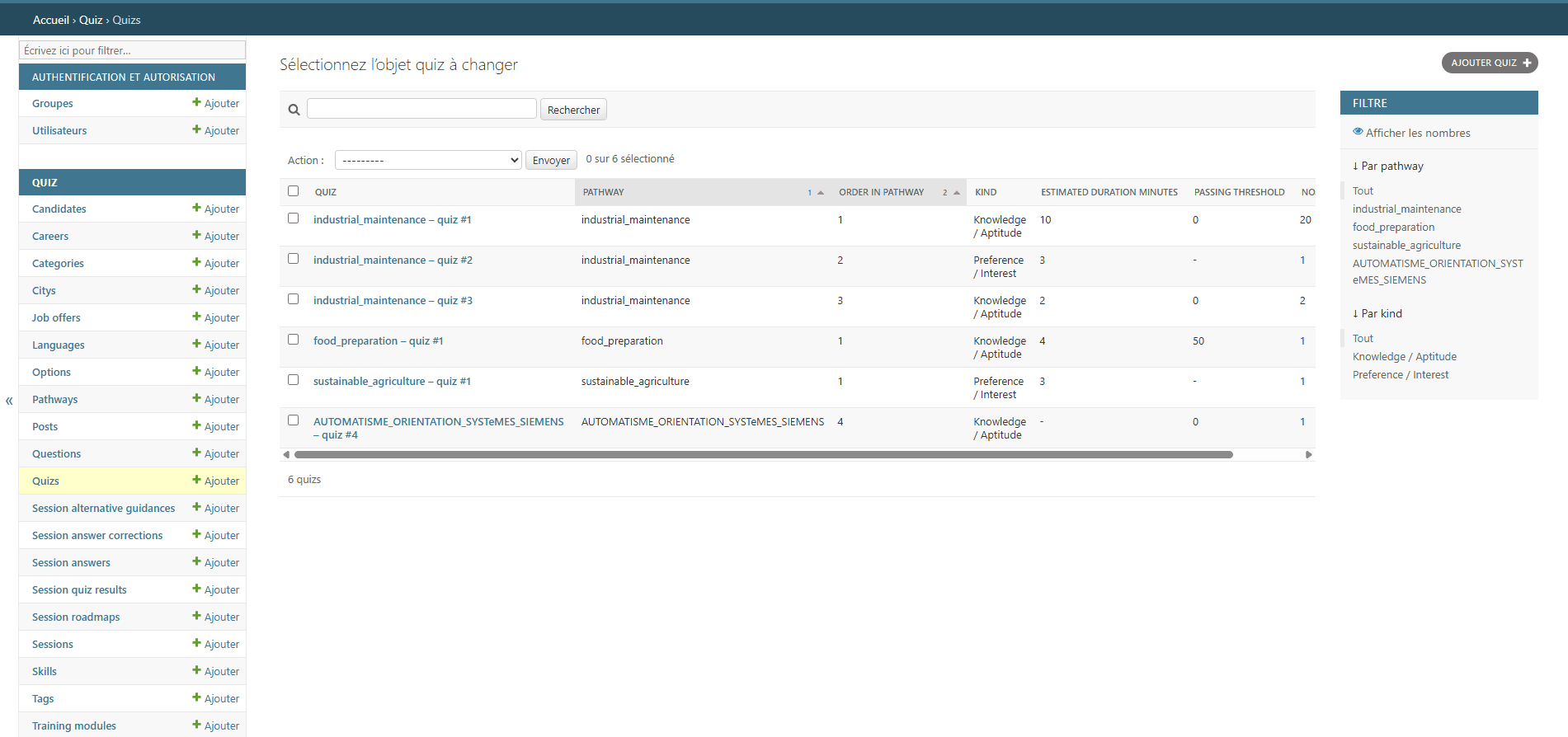
- Built a customized Django Admin with nested inlines for managing quizzes, questions, and options
- Added admin actions for bulk AI content generation (avatar scripts)
- Containerized the application with Docker and Docker Compose
- Created UML diagrams: use cases, class diagrams, and sequence diagrams for documentation
What I Learned
- Technical Growth: This project was my deepest integration of generative AI into a production application. I learned to craft precise prompts that guide AI output into structured JSON formats while maintaining an encouraging, personalized tone. Understanding how to build reliable AI-powered features including fallback mechanisms when the API is unavailable was invaluable.
- Designing a multilingual database architecture taught me to separate content from translation elegantly, making the system scalable for future languages. Working with Django's ORM for complex relational data (sessions, answers, quiz results, AI-generated content) strengthened my database design skills significantly.
- Building the admin interface with nested inlines showed me how powerful Django Admin can be when properly customized enabling non-technical users to manage complex hierarchical content effortlessly.
- Soft Skills & Professional Growth: Managing this project solo for a client required balancing technical decisions with business needs. I learned to document thoroughly the UML diagrams weren't just academic exercises but essential communication tools that helped validate the architecture before coding.
- This project reinforced that the best technology serves human needs. Designing the "constructive failure" feature taught me to think beyond functionality how does the user feel when they don't succeed? Technology should encourage, not discourage.
Project Info
- Type
- Featured Project
- Technologies
- 13
- Tasks
- 12
- Learnings
- 5
Screenshots (14)
Related Projects
Interested in working together?
I'm available for freelance projects and full-time opportunities.
Hire Me